Standing frames: why standing matters for a child who cannot walk
Standing every day in a standing frame strengthens bones and joints and helps breathing and digestion. How to choose a frame and make standing interesting.
reha.uz ·
A child who spends most of the time sitting or lying misses what other children get simply by standing and running: load on the bones, healthy development of the hips, work for the back muscles. A standing frame brings that load back, even if the child cannot stand alone yet.
What standing gives
- Bone density and protection against osteoporosis.
- Healthy hip development and fewer hip subluxations.
- Stretching of the leg muscles, fewer contractures.
- Better breathing, digestion and bowel function.
- Seeing the world at the same height as other children, which matters for play and learning.
Types of frames
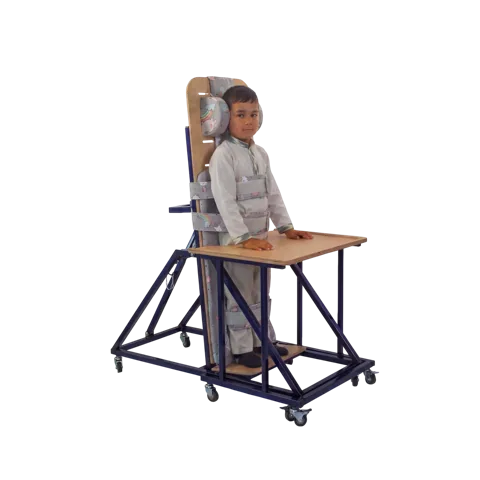
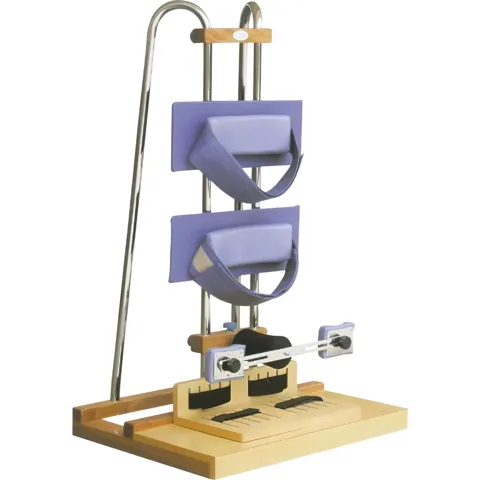
- Static (JYRT-8, Tiklanish): chest, pelvic and knee supports hold the child straight. Simple and reliable.
- Tilting frames that raise the child gradually from lying, for more severe disabilities.
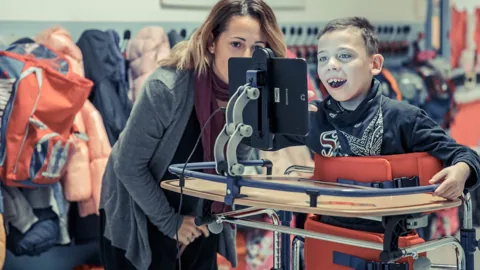
- The multisensory APP (Ormesa): music passes through the frame as vibration, with a tray for lessons and a tablet, so the child stays engaged for longer.
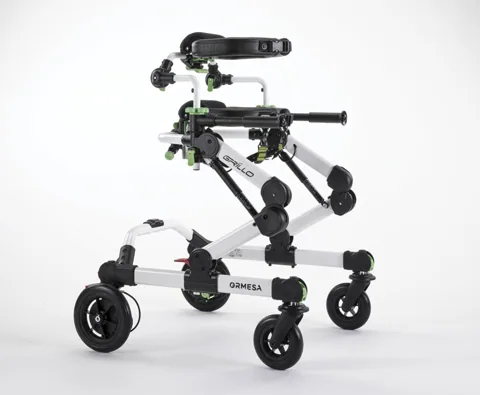
- The next step is the GRILLO gait trainer: standing and stepping.
How long to stand
Therapists often suggest building up gradually to 60–90 minutes a day, possibly in several sessions. A specialist sets the time, angle and supports.
Keeping standing enjoyable
A tray with toys, a cartoon on the tablet, music, standing together with brothers and sisters. Put the frame at the dinner table and the child "stands" through the family meal.
We choose the size by your child's height and can show the frames in our showroom.
This guide helps you prepare for a conversation with a doctor or therapist; it does not replace their advice.